
Conditions We Treat
Tooth Pain and Infections
What causes tooth pain and infections, when to treat it as an emergency, and how GN Dental relieves pain quickly.

Tooth pain is one of the most common reasons patients contact our office, and it can range from mild, occasional sensitivity to intense, constant pain that makes it hard to eat, sleep, or concentrate. In most cases, tooth pain is a signal that something specific is wrong inside or around the tooth, whether that is decay, an infection, a crack, or gum disease, rather than something that will simply pass on its own.
A dental infection develops when bacteria invade the inner part of a tooth, usually through a cavity, crack, or old restoration that has failed, and reach the pulp, the soft tissue containing the tooth's nerve and blood supply. Once bacteria reach this area, the body's immune response causes inflammation and pressure inside the tooth, which is what produces the intense pain associated with an infected tooth. If the infection is not treated, it can spread beyond the tooth into the surrounding bone and tissue, forming a collection of pus known as an abscess.
Not all tooth pain means there is an infection, however. Sensitivity to hot or cold, pain from a cracked filling, or discomfort from grinding your teeth can all cause pain without necessarily involving active infection. Because the right treatment depends entirely on the underlying cause, an accurate diagnosis is always the first step, whether that means an exam, an X-ray, or in some cases both.
At GN Dental, we treat tooth pain as a priority, not a routine scheduling item. Severe or sudden pain, swelling, or a suspected infection can often be seen the same day, since we know how disruptive dental pain can be and how important it is to relieve it quickly and safely.
This page covers the common causes of tooth pain, the warning signs of a dental infection, when to treat pain as an emergency, and how we diagnose and treat both pain and infection at our Yuba City office.
Common Symptoms
Tooth pain can present in many different ways depending on the cause, but certain symptoms are strong indicators that something needs prompt attention, particularly when they suggest an active infection rather than simple sensitivity.
- Sharp, throbbing, or constant pain in or around a tooth
- Pain that worsens when biting down or chewing
- Sensitivity to hot or cold that lingers well after the trigger is removed
- Swelling in the face, cheek, or gums near the painful tooth
- A pimple-like bump on the gum that may drain fluid
- Fever or a general feeling of being unwell alongside tooth pain
- Bad taste in the mouth or persistent bad breath
- Visible darkening of a tooth compared to those around it
Common Causes of Tooth Pain
Tooth pain has several common underlying causes, and identifying which one applies to you is the key to effective treatment. Untreated tooth decay is one of the most frequent causes, since a cavity that has reached the inner layers of the tooth allows bacteria to irritate or infect the nerve. A cracked tooth can cause similar pain, sometimes only when biting down in a specific way, and cracks are not always visible without a close exam.
Gum disease is another common source of tooth pain, particularly when it has progressed enough to expose sensitive root surfaces or cause an infection in the tissue around a tooth. A failing old filling or crown can also allow bacteria to reach the inner tooth through gaps that have developed over time, even if the restoration looks fine on the surface.
Less commonly, tooth pain can stem from an issue with a tooth that has already had a root canal, from teeth grinding that puts excess pressure on teeth and jaw joints, or from sinus pressure that is felt in the upper back teeth. Because so many different problems can cause similar symptoms, a professional exam is the most reliable way to identify the actual source of your pain.
When Tooth Pain Is a Dental Emergency
Some tooth pain can reasonably wait for the next available appointment, while other situations need same-day attention. Severe, persistent pain, visible facial swelling, fever, or difficulty swallowing or breathing alongside tooth pain should always be treated as an emergency, since these can indicate an infection that is spreading beyond the tooth itself.
If you are dealing with milder, intermittent sensitivity without swelling or fever, it is still worth scheduling an exam promptly, since even mild pain usually signals a problem that will continue to worsen without treatment. Waiting rarely makes tooth pain better, and in most cases the underlying cause needs to be addressed directly rather than managed with pain medication alone.
Tooth Pain in Children Versus Adults
Tooth pain in children is often related to a new cavity, since baby teeth have thinner enamel and can develop decay more quickly than adult teeth. Children may also have difficulty describing exactly where the pain is coming from, so a general complaint of a toothache, difficulty eating, or irritability can be worth a dental exam even without a clearly located problem.
In adults, tooth pain more frequently stems from a combination of long-term wear, old restorations reaching the end of their lifespan, and gum recession exposing sensitive root surfaces. Adults are also more likely to experience pain related to teeth grinding, especially during periods of high stress, or from a tooth that has previously had a root canal or large filling and is now showing signs of a new problem.
Causes and Risk Factors
While specific causes vary, certain habits and conditions make tooth pain and infection more likely to develop. Understanding your own risk factors can help you catch problems earlier, before they progress to the point of significant pain.
- Untreated cavities or decay beneath old fillings
- Cracked or fractured teeth, often from grinding, trauma, or biting hard objects
- Advanced gum disease exposing tooth roots or forming pockets of infection
- Old fillings or crowns with worn or broken seals
- A weakened immune system that makes it harder to fight off infection
- Chronic teeth grinding or clenching, especially at night
- Delayed dental care after noticing early symptoms
- Previous root canal treatment that has developed a new problem
How We Diagnose the Source of Your Pain
Because so many different problems can cause similar pain, we start every evaluation with a thorough exam and, in most cases, digital X-rays. X-rays let us see decay, bone loss, and abscesses that are not visible during a visual exam, and they are often the difference between guessing at a cause and confirming exactly which tooth and which problem is responsible for your pain.
We also test individual teeth for sensitivity to temperature and pressure, since the pattern of your response helps distinguish between simple sensitivity, a cracked tooth, and a tooth that needs root canal therapy. Once we have a clear diagnosis, we explain what we found and walk through your treatment options before moving forward with anything.
Getting You Out of Pain Quickly
When you come in with tooth pain, our first priority is understanding the cause through an exam and X-rays, then relieving your pain as quickly as possible, whether that means treating the tooth directly or providing interim relief while we plan next steps.
We understand that dental pain affects far more than your mouth. It can disrupt sleep, work, and daily life, which is why we prioritize getting patients with significant pain seen quickly rather than making them wait for a routine opening.

How We Treat Tooth Pain and Infections
Treatment depends entirely on the cause of your pain. Once we know what is happening, we recommend the option that resolves the problem while preserving as much of your natural tooth as possible.
Available Treatments at GN Dental
Same-day evaluation and pain relief for sudden or severe tooth pain and swelling.
Removes infected pulp from inside the tooth to relieve pain and save the natural tooth.
When a tooth cannot be saved, extraction resolves the infection and prepares the site for future replacement.
Restores strength to a tooth after treatment, protecting it from future fracture.
Why Early Treatment Matters
A dental infection does not stay contained indefinitely. Left untreated, the bacteria causing the infection can spread from the tooth into the surrounding bone and soft tissue, forming an abscess that causes significant swelling and pain. In more serious cases, an untreated infection can spread further into the face, neck, or bloodstream, which can become a medical emergency requiring hospital care.
Beyond the risk of the infection spreading, waiting to treat tooth pain also increases the chance that the tooth itself cannot be saved. A cavity or crack that could have been treated with a filling or root canal early on may progress to the point where extraction is the only remaining option, resulting in the loss of a natural tooth that could otherwise have been preserved.
Pain management alone, such as taking over-the-counter pain relievers, only masks the symptom rather than resolving the underlying cause. While this can provide temporary relief, the infection or damage continues progressing in the background, meaning the eventual treatment needed is often more extensive than it would have been if addressed right away.
There is also a real cost consideration. Treating a tooth infection early, often with a root canal and crown, is generally more affordable and predictable than the alternative of extraction followed by an implant, bridge, or denture to replace the lost tooth. Prompt treatment protects both your health and your budget.
Prevention Tips
While not every case of tooth pain is preventable, many are, particularly when they stem from decay or gum disease that could have been caught earlier.
Everyday Habits That Help
- Keep up with checkups every six months so problems are caught before they cause pain
- Treat cavities and cracked teeth as soon as they are identified
- Wear a nightguard if you grind or clench your teeth
- Avoid chewing on ice, hard candy, or other hard objects
- Address gum disease promptly to prevent infection near the roots of teeth
- Call our office at the first sign of persistent pain rather than waiting
Tooth Pain and Infection Questions
GN Dental / Yuba City
Dealing With Tooth Pain Right Now
Do not wait out a toothache. Call GN Dental in Yuba City for prompt evaluation and relief.
Related Services
Same-day emergency dental care right here in Yuba City for sudden pain, injuries, and urgent dental problems.
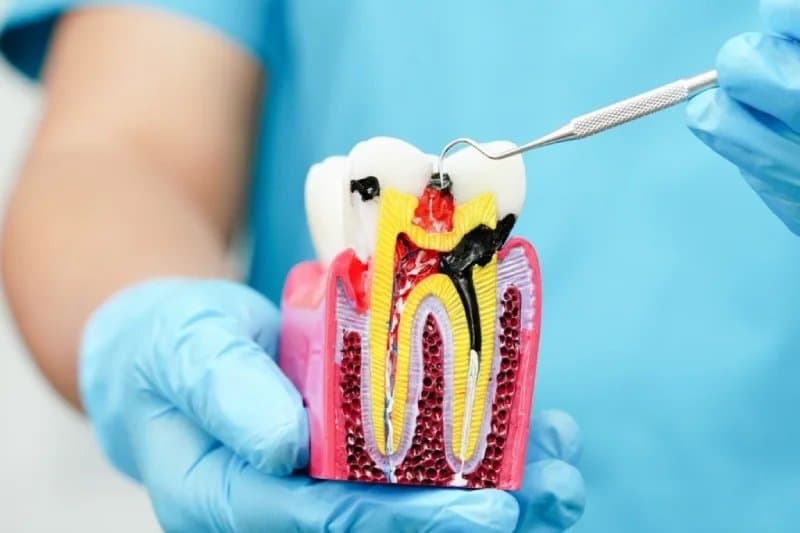
Gentle, effective root canal therapy performed right here in Yuba City to relieve pain and save your natural tooth.

Same-day relief for toothaches, broken teeth, and other urgent dental problems in Yuba City.
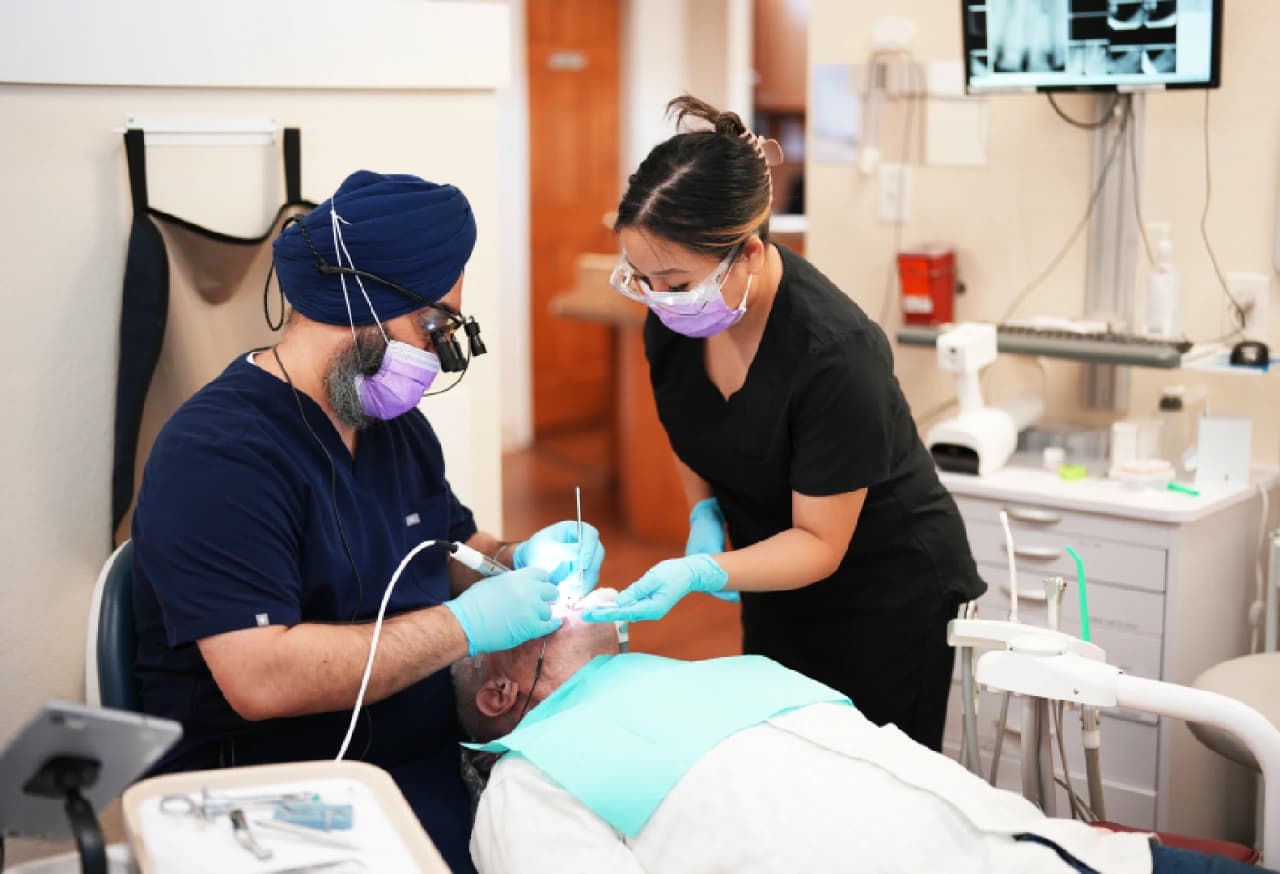
Extractions, impacted teeth, bone grafting, and soft tissue procedures performed comfortably, right here in our Yuba City office.