
Conditions We Treat
TMJ Disorders
What causes TMJ disorders, the symptoms to watch for, and how GN Dental helps ease jaw pain and dysfunction.

The temporomandibular joint, often shortened to TMJ, is the joint that connects your lower jaw to your skull, located just in front of each ear. It is one of the most frequently used joints in the body, working every time you speak, chew, swallow, or yawn. A TMJ disorder, sometimes called TMD, refers to a range of conditions affecting this joint and the muscles that control jaw movement, causing pain, clicking, or difficulty opening and closing the mouth normally.
TMJ disorders can develop for many different reasons, including injury, arthritis, chronic teeth grinding, or simply the way a person's jaw joint and bite are naturally structured. Symptoms can be mild and occasional, such as an infrequent clicking sound, or significant enough to interfere with eating, speaking, and sleeping.
Because the jaw joint is connected to a complex system of muscles, ligaments, and a small cartilage disc that helps the joint move smoothly, TMJ disorders can present in many different ways depending on which part of the system is affected. Some patients experience primarily muscle-related pain from clenching or grinding, while others have an issue with the joint itself, such as a misaligned disc.
TMJ disorders are often misunderstood, either dismissed as minor or, on the other end, treated as a mysterious condition without clear solutions. In reality, many cases can be effectively managed with a combination of a proper diagnosis, conservative treatment, and simple lifestyle adjustments, and only a small percentage of patients ever need more invasive intervention.
At GN Dental, we evaluate jaw pain and dysfunction as part of a complete dental exam, since the health of your bite and jaw joint is closely connected to your overall oral health. This page explains the common symptoms and causes of TMJ disorders and the treatment options available at our Yuba City office.
Common Symptoms
TMJ disorders can cause a wide range of symptoms, some of which are not immediately obvious as being related to the jaw joint at all.
- Pain or tenderness in the jaw, especially near the ears
- Clicking, popping, or grating sounds when opening or closing the mouth
- Difficulty or discomfort when chewing
- Jaw locking or getting stuck open or closed
- A limited range of motion when opening your mouth
- Frequent headaches, particularly around the temples
- Earaches or a feeling of fullness in the ears without an ear infection
- Neck and shoulder discomfort connected to jaw tension
Muscle-Related Versus Joint-Related TMJ Disorders
TMJ disorders generally fall into two broad categories, though many patients experience a combination of both. Muscle-related TMD involves the muscles that control jaw movement, often triggered or worsened by clenching and grinding, and typically causes a dull, aching pain in the jaw, temples, or cheeks that can feel similar to a tension headache.
Joint-related TMD involves the joint itself, including the small cartilage disc that normally cushions movement between the jawbone and skull. When this disc shifts out of its normal position, it can cause the clicking, popping, or locking sensations that many patients associate specifically with TMJ problems. In some cases, wear and tear or arthritis in the joint itself contributes to ongoing discomfort and reduced range of motion.
Distinguishing between these categories, or identifying that both are contributing, helps guide which treatment approach is likely to be most effective for your specific case.
Causes and Risk Factors
TMJ disorders often develop from a combination of factors rather than a single clear cause, which is part of why they can be tricky to diagnose without a thorough evaluation.
Teeth grinding and clenching are among the most common contributors, since they place repeated, excessive strain on both the jaw muscles and the joint itself, often without the person even being aware they are doing it, especially if it happens during sleep.
- Chronic teeth grinding or clenching, especially at night
- Jaw injury or trauma
- Arthritis affecting the jaw joint
- Chronic stress, which often increases jaw muscle tension
- A misaligned bite that places uneven stress on the joint
- Poor posture, particularly forward head posture that affects jaw muscles
- Connective tissue disorders affecting joint stability
- Habits like frequent gum chewing or nail biting
The Connection Between Grinding and TMJ Disorders
Teeth grinding, known clinically as bruxism, is one of the most significant and common contributors to TMJ disorders, and it often happens during sleep without the person having any awareness of it. Many patients first learn they grind their teeth when a dentist notices flattened or worn chewing surfaces, small cracks, or unusually sensitive teeth during a routine exam.
The repeated, forceful contact between upper and lower teeth during grinding places significant strain on both the jaw muscles and the joint itself, which over time can contribute to the muscle tension and joint discomfort characteristic of TMJ disorders. Stress and anxiety are common triggers for grinding, which is part of why TMJ symptoms often flare up during particularly stressful periods of life.
Because grinding is so often connected to TMJ symptoms, addressing it, typically with a custom nightguard worn at night, is one of the most effective and commonly recommended conservative treatments for TMJ disorders overall.
When TMJ Symptoms Mimic Other Conditions
Because the jaw joint sits close to the ear and shares nerve pathways with several structures in the head and neck, TMJ symptoms are sometimes mistaken for other conditions. Ear fullness or aching near the ear caused by TMJ can be mistaken for an ear infection, while jaw-related headaches can be mistaken for migraines or tension headaches unrelated to the mouth.
This overlap is one of the reasons TMJ disorders can go undiagnosed for a long time, with patients pursuing treatment for headaches or ear problems without ever connecting the symptoms back to the jaw joint. A dental evaluation that specifically checks bite alignment, jaw movement, and signs of grinding can help identify TMJ as the true underlying cause when other explanations have not provided relief.
A Careful, Conservative Approach
TMJ treatment almost always starts conservatively. Before considering anything more involved, we evaluate your bite, jaw movement, and any grinding or clenching habits, then typically recommend simple changes and, when appropriate, a custom nightguard or bite splint designed specifically for your jaw.
Most patients find meaningful relief through this kind of conservative approach, and more invasive treatments are reserved for the smaller number of cases where they do not respond to initial, less invasive care.

How We Diagnose TMJ Disorders
Diagnosis starts with a conversation about your symptoms, including when they started, what seems to trigger them, and whether you notice any grinding or clenching, particularly at night. We examine your jaw's range of motion, listen and feel for clicking or grating during movement, and check your bite for signs of uneven wear that can indicate grinding.
In some cases, we may also take X-rays or refer you for additional imaging if we suspect a more significant joint issue that needs a closer look. This thorough approach helps us understand whether your TMD is primarily muscle-related, joint-related, or a combination of both, which directly shapes the treatment plan we recommend.
Available Treatments at GN Dental
A thorough exam evaluates your bite and jaw function as part of comprehensive dental care.
Regular checkups monitor changes in your bite and catch grinding wear early.
For sudden, severe jaw pain or a locked jaw, we offer prompt evaluation and relief.
Why Early Treatment Matters
TMJ disorders often start subtly, with occasional clicking or mild discomfort that is easy to dismiss. Left unaddressed, however, chronic strain on the jaw muscles and joint can worsen over time, potentially leading to more frequent pain, a more limited range of motion, or increased wear on the joint's cartilage disc.
Grinding and clenching, one of the most common underlying causes of TMJ disorders, does not just affect the jaw joint. It also gradually wears down tooth enamel and can damage existing dental work like crowns and fillings, meaning that untreated grinding can eventually require restorative treatment on top of whatever is needed to manage the jaw symptoms themselves.
Chronic jaw pain and tension can also affect quality of life in ways that extend beyond the jaw itself, including tension headaches, disrupted sleep from nighttime grinding, and neck or shoulder discomfort from the muscle tension involved. Addressing the issue earlier generally makes it easier to manage with conservative treatment, before symptoms become severe enough to significantly limit eating, speaking, or daily comfort.
Finally, an accurate diagnosis matters because TMJ symptoms can sometimes be mistaken for other issues, including tooth pain, sinus problems, or ear infections. Getting an accurate diagnosis early prevents you from pursuing treatment for the wrong problem while the actual cause continues unaddressed.
In the rare cases where TMJ disorders do progress to a point requiring more advanced treatment, options become more limited and more involved than the conservative measures that could have helped earlier on. This is not meant to cause alarm, since most patients respond well to simple, non-invasive care, but it underscores why an evaluation sooner rather than later tends to lead to the best outcome with the least amount of intervention.
Cost and Insurance
Conservative TMJ treatment, such as a custom nightguard, is generally more affordable than many other dental procedures, and some dental insurance plans provide partial coverage, particularly when grinding-related tooth damage is also a concern. We verify your benefits and provide a clear estimate before recommending treatment. More involved treatment, if ever needed, would be discussed and estimated separately based on the specific approach recommended.
Prevention Tips
While not every TMJ disorder can be prevented, especially those related to injury or arthritis, several habits can reduce strain on the jaw joint and muscles.
Everyday Habits That Help
- Wear a custom nightguard if you grind or clench your teeth
- Practice stress management techniques to reduce jaw tension
- Avoid excessive gum chewing or biting on hard objects
- Maintain good posture, especially during long periods at a desk
- Apply a warm compress to the jaw if you feel tension building
- Bring up jaw discomfort at your regular dental checkups
TMJ Disorder Questions
GN Dental / Yuba City
Dealing With Jaw Pain or Clicking
Schedule an evaluation with GN Dental in Yuba City to find relief from TMJ symptoms.
Related Services
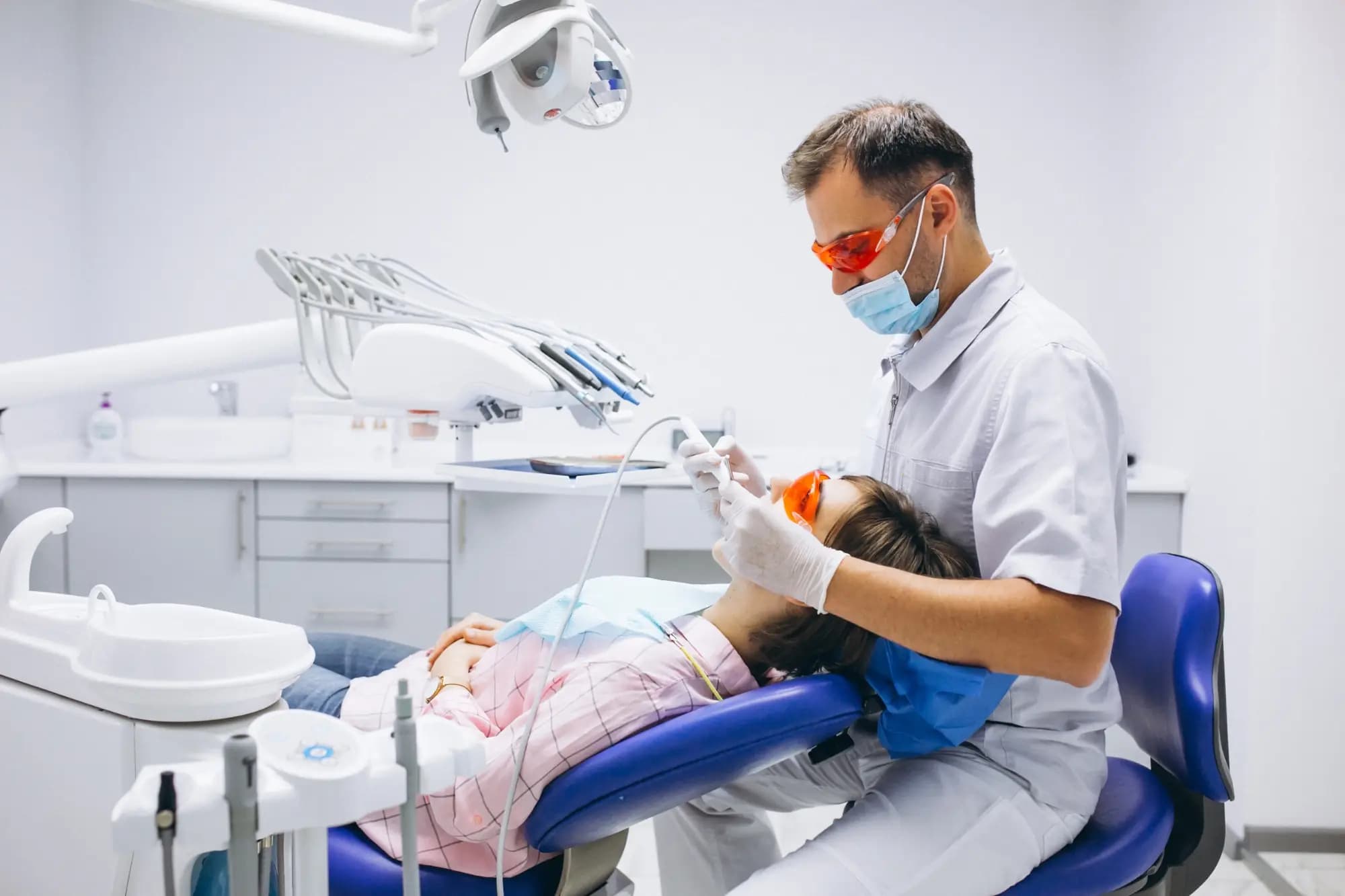
Community-focused general dentistry led by Dr. Jaspreet Singh Dhami, accepting Medi-Cal and most major insurance plans.

Same-day relief for toothaches, broken teeth, and other urgent dental problems in Yuba City.
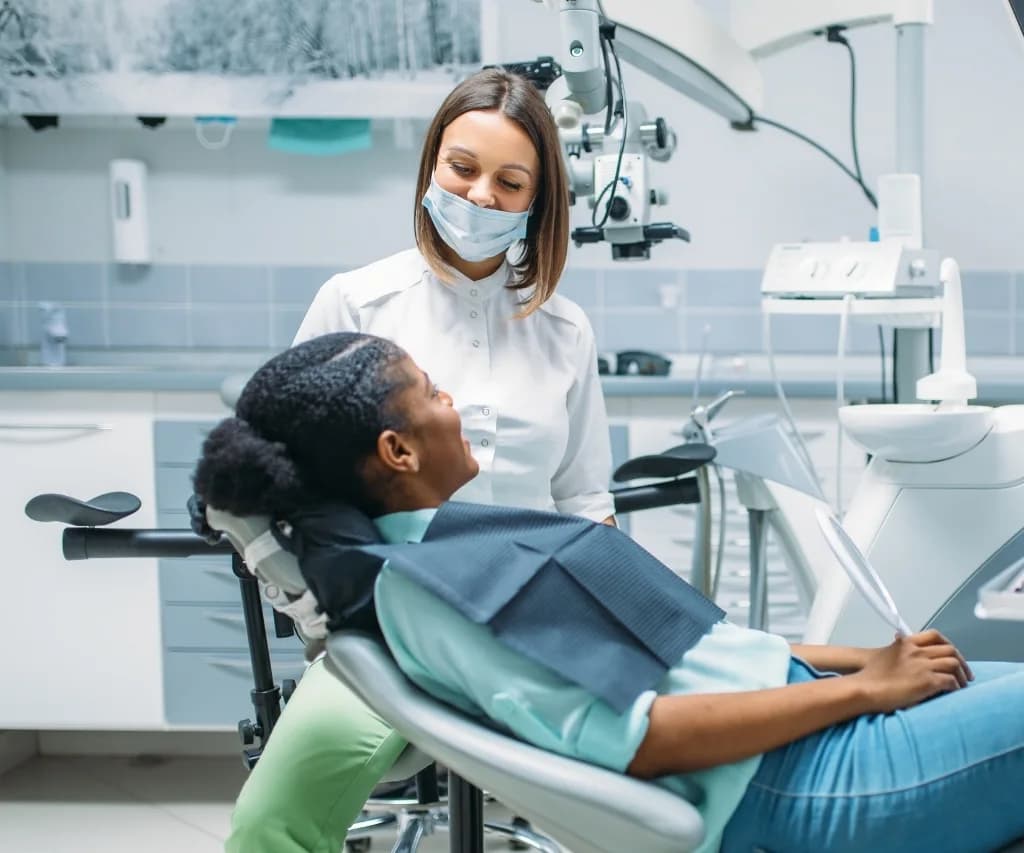
Routine exams and cleanings that catch problems early, protect your smile, and keep small issues from becoming costly ones.