
Conditions We Treat
Sensitive Teeth
What causes tooth sensitivity, when it signals a bigger problem, and how GN Dental diagnoses and treats it.

Tooth sensitivity is a sharp, sudden discomfort felt in one or more teeth in response to a specific trigger, most commonly hot or cold temperatures, sweet foods, or even cold air. It is an extremely common complaint, affecting a large share of adults at some point, and it can range from a mild, occasional twinge to pain intense enough to make certain foods and drinks difficult to enjoy.
Sensitivity happens when the protective outer layer of a tooth, the enamel, has worn thin or when the gum tissue has receded enough to expose the softer root surface underneath. Both the enamel and the root surface protect a layer of microscopic tubes that lead directly to the nerve inside the tooth, and when this layer is compromised, hot, cold, or sweet stimuli can reach the nerve and trigger a sharp jolt of pain.
While occasional mild sensitivity is common and not always a sign of a serious problem, sensitivity that is new, worsening, or affecting a specific tooth can indicate something that needs treatment, such as a cavity, a cracked tooth, or gum recession. This is why sensitivity should always be evaluated rather than simply managed indefinitely with sensitivity toothpaste, which can mask symptoms without addressing whatever is actually causing them.
At GN Dental, we take the time to identify exactly what is causing your sensitivity before recommending treatment, since the right approach depends entirely on the underlying cause. Sensitivity from worn enamel is treated very differently than sensitivity from a cavity or an exposed root.
This page explains what commonly causes sensitive teeth, when it is worth having evaluated, and the treatment options available at our Yuba City office to help you enjoy hot and cold foods and drinks comfortably again.
Common Symptoms
Tooth sensitivity has a fairly recognizable pattern, though the specific triggers and intensity vary from person to person.
- Sharp pain when eating or drinking something hot
- Sharp pain when eating or drinking something cold
- Discomfort when eating sweet or acidic foods
- Sensitivity to cold air, especially when breathing through the mouth
- Pain when brushing or flossing a specific tooth
- Discomfort that comes on quickly and fades within a few seconds
- Sensitivity limited to one tooth or area, rather than the whole mouth
- Visible gum recession or a worn, shiny appearance near the gum line
Common Causes of Tooth Sensitivity
Worn enamel is one of the most frequent causes of sensitivity, often the result of brushing too hard with a hard-bristled toothbrush, years of exposure to acidic foods and drinks, or teeth grinding that gradually wears down the protective outer layer of the tooth. Once enamel has thinned enough, hot and cold sensations can reach the nerve more easily than they would through healthy, full-thickness enamel.
Gum recession is another leading cause, since it exposes the root surface of a tooth, which does not have the same protective enamel covering as the crown of the tooth. Recession can result from gum disease, aggressive brushing, genetics, or simply the natural effects of aging on gum tissue.
Other causes include a cavity that has not yet caused constant pain but does react to specific triggers, a cracked tooth, a recently placed filling or crown that is still settling, or a tooth that has been recently whitened, since whitening gel can cause temporary sensitivity in some patients. Teeth grinding at night is a particularly common but often overlooked contributor, since many patients are not aware they grind their teeth until a dentist points out the wear pattern during an exam.
Causes and Risk Factors
Several habits and conditions make tooth sensitivity more likely to develop, and identifying which ones apply to you helps guide both treatment and prevention.
- Brushing too hard or using a hard-bristled toothbrush
- Frequent consumption of acidic foods and drinks
- Gum disease or gum recession exposing root surfaces
- Teeth grinding or clenching, especially at night
- Recent teeth whitening treatment
- Cavities or cracked teeth
- Old fillings or crowns with worn edges
- A diet high in sugar, which contributes to enamel-weakening acid production
Sensitivity Versus Pain
It is worth distinguishing between true sensitivity and more serious tooth pain, since they suggest different levels of urgency. Sensitivity is typically a brief, sharp reaction to a specific trigger, such as cold water, that fades within a few seconds once the trigger is removed. It does not usually linger, throb, or wake you up at night.
Pain that is constant, throbbing, worsens over time, or lingers well after a trigger is removed suggests something more advanced, such as a deep cavity or an infection reaching the nerve of the tooth. This kind of pain should be treated as more urgent than typical sensitivity, since it often indicates the problem has progressed further and needs prompt attention rather than routine scheduling.
If you are ever unsure whether what you are feeling is simple sensitivity or something more serious, it is always reasonable to call our office and describe your symptoms. We can help you determine how quickly you should be seen based on what you describe.
Sensitivity After Dental Treatment
Mild sensitivity is common for a few days after certain dental procedures, including new fillings, teeth whitening, and professional cleanings that remove significant tartar buildup. This type of sensitivity is usually temporary and resolves on its own as the tooth or gum tissue settles.
If sensitivity after a procedure is severe, lasts longer than a week or two, or seems to be getting worse rather than better, it is worth having it checked, since this can occasionally indicate the filling or restoration needs a minor adjustment to the bite, or that another issue is present that was not related to the original procedure.
Finding the Real Cause of Your Sensitivity
Because sensitivity can stem from so many different causes, we start with a thorough exam and, when needed, X-rays to rule out cavities or other structural issues. We also check for visible gum recession, worn enamel, and signs of teeth grinding, since these often explain sensitivity that toothpaste alone will not resolve.
Once we understand the underlying cause, we can recommend a treatment that actually addresses it, rather than simply managing the symptom on an ongoing basis.
How We Treat Sensitive Teeth
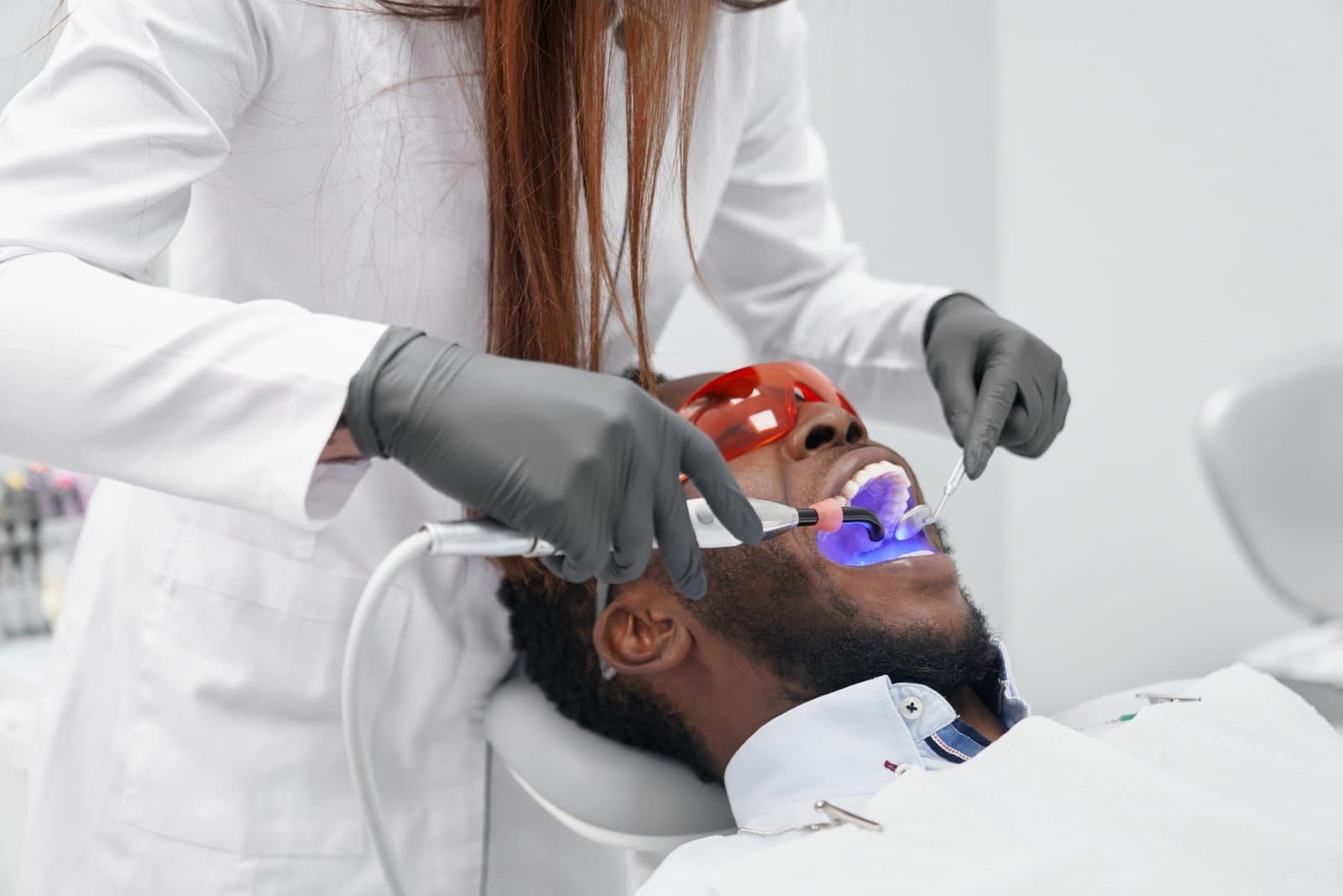
Treatment depends entirely on the cause. A cavity needs a filling, exposed roots from gum recession may need gum grafting, and worn enamel from grinding may call for a nightguard, while some cases simply benefit from a professional-strength desensitizing treatment applied directly to the affected teeth.
Available Treatments at GN Dental
If a cavity is causing sensitivity, a tooth-colored filling resolves both the decay and the discomfort.
Treating gum recession or disease can reduce sensitivity caused by exposed root surfaces.
Regular exams catch the underlying cause of sensitivity early, whether that is decay, recession, or wear.
For severe, persistent sensitivity linked to nerve involvement, root canal therapy relieves pain and saves the tooth.
Why Early Treatment Matters
Sensitivity is often dismissed as a minor annoyance, something to just work around by avoiding certain foods or drinks. But because sensitivity is frequently a symptom of an underlying problem, ignoring it means the underlying cause, whether that is a cavity, gum recession, or a cracked tooth, continues to progress in the background.
A cavity causing mild sensitivity today can progress to a much more painful, advanced infection if left untreated, eventually requiring root canal therapy instead of a simple filling. Similarly, gum recession causing sensitivity tends to worsen gradually if the underlying cause, such as aggressive brushing or gum disease, is not addressed, potentially requiring more involved treatment like gum grafting later on.
There is also a quality-of-life impact that is easy to underestimate. Patients who live with untreated sensitivity often adjust their diet significantly, avoiding hot coffee, cold drinks, ice cream, or other foods they would otherwise enjoy, simply to avoid triggering pain. Addressing the underlying cause can restore the ability to eat and drink comfortably without constant self-editing.
Finally, teeth grinding, one of the more common but overlooked causes of sensitivity, can cause damage well beyond sensitivity if left unaddressed, including cracked teeth, jaw discomfort, and accelerated wear on existing dental work. Identifying and managing grinding early helps protect not just your comfort, but the long-term health of your teeth and any restorations you already have.
Treating the root cause of sensitivity, rather than only managing the symptom, also tends to be more cost-effective over time. A desensitizing treatment or a small filling addressing early decay is far less expensive than the crown, root canal, or gum grafting that may eventually be needed if the underlying problem is allowed to progress untreated for years.
Cost and Insurance
Cost for treating sensitivity depends entirely on the underlying cause. A professional-strength desensitizing treatment applied in the office is typically low cost, while a filling, gum grafting, or root canal therapy involve the same cost considerations as those individual procedures. We verify your insurance benefits and provide a clear estimate once we know exactly what is causing your sensitivity.
Prevention Tips
Many cases of tooth sensitivity can be reduced or prevented with a few simple changes to your daily routine.
Everyday Habits That Help
- Use a soft-bristled toothbrush and gentle pressure when brushing
- Choose a toothpaste formulated for sensitive teeth if recommended
- Limit acidic foods and drinks, or rinse with water afterward
- Wear a nightguard if you grind or clench your teeth
- Address gum recession or gum disease promptly
- Keep up with checkups so new cavities or cracks are caught early
Sensitive Teeth Questions
GN Dental / Yuba City
Tired of Sensitive Teeth
Schedule an exam with GN Dental in Yuba City to find and treat the real cause of your sensitivity.
Related Services
Tooth-colored, mercury-free fillings that repair cavities quickly and blend naturally with your smile.

From early gingivitis to advanced periodontitis, we diagnose and treat gum disease to protect your teeth and gums for the long term.
Routine exams and cleanings that catch problems early, protect your smile, and keep small issues from becoming costly ones.