

If you have been told you need a root canal, you may feel anxious or uncertain about what comes next. Many patients in Yuba City search for root canal myths because they want honest answers before making a decision.
The truth is that modern root canal therapy is safe, effective, and designed to relieve discomfort while preserving your natural tooth. For trusted, patient-focused care, many families rely on GN Dental for comprehensive restorative treatment.
In this guide, we will debunk common misconceptions, explain the benefits of saving your natural tooth, compare tooth extraction vs root canal options, and provide helpful aftercare instructions so you can feel confident in your choice.
Understanding What a Root Canal Really Is
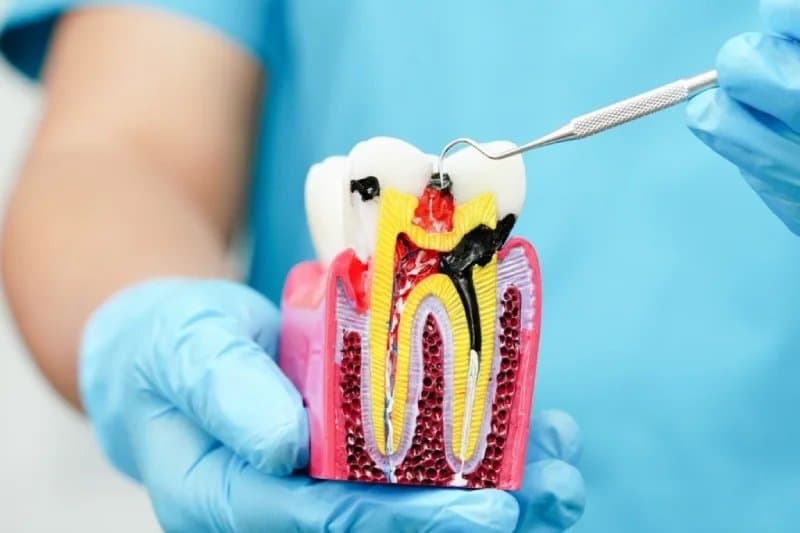
A root canal is a restorative dental procedure that removes infected or inflamed pulp from inside a tooth. The pulp contains nerves and blood vessels, and when it becomes infected due to deep decay, cracks, or trauma, treatment is necessary to prevent further damage.
During the procedure, the dentist:
The goal is to eliminate infection while preserving the natural tooth structure. This approach supports long-term oral health and maintains your natural bite alignment.
- Removes the infected pulp tissue
- Cleans and disinfects the inner canals
- Fills and seals the space
- Restores the tooth with a filling or crown
Root Canal Yuba City Myths That Cause Unnecessary Fear
Many root canal myths in Yuba City create confusion and anxiety. Let us address the most common ones with clear facts.
Myth 1: Does a Root Canal Hurt?
One of the most frequent questions is, “Does a root canal hurt?” Modern dentistry uses advanced local anesthesia and comfort techniques to ensure patients feel minimal discomfort during the procedure.
In reality, root canal therapy is designed to relieve pain caused by infection. Most patients report that the experience is similar to getting a standard dental filling. After treatment, mild soreness may occur for a few days, but it is usually manageable with over-the-counter medication.
Myth 2: Extraction Is Always Better Than a Root Canal
Some believe removing the tooth is a simpler solution. However, preserving your natural tooth whenever possible is typically the best option. Saving the tooth helps maintain proper chewing function and prevents the shifting of surrounding teeth.
Choosing tooth extraction vs root canal depends on the severity of damage. In many cases, a root canal is the more conservative and beneficial choice.
Myth 3: Root Canals Cause Illness
This outdated belief has been scientifically disproven. Modern root canal procedures are safe and performed under strict sterilization standards. The treatment eliminates infection rather than spreading it.
Understanding these facts can help reduce fear and encourage informed decision-making.
Root Canal Benefits: Why Saving the Tooth Matters
There are several important root canal benefits that make this treatment a preferred option in restorative dentistry.
Preserves Natural Tooth Structure
Keeping your original tooth maintains natural chewing efficiency and jaw alignment. Artificial replacements, while effective, cannot fully replicate the strength and function of a healthy natural tooth.
Prevents Bone Loss
When a tooth is extracted, the jawbone in that area can begin to deteriorate over time. Saving the tooth helps stimulate the bone and preserve facial structure.
Cost-Effective in the Long Term
Although extraction may seem less expensive initially, replacing a missing tooth with an implant or bridge often costs more. A root canal followed by a crown can provide durable results without additional surgical procedures.
Restores Comfort and Function
By removing infection, root canal therapy eliminates pain and allows you to eat and speak normally again.
These benefits highlight why dentists prioritize saving natural teeth whenever possible.
Tooth Extraction vs Root Canal: Making the Right Choice
When considering tooth extraction vs root canal, it is important to evaluate long term outcomes rather than short term convenience.
Extraction may be recommended if the tooth is severely fractured or cannot be restored. However, removing a tooth often requires additional treatments such as dental implants or bridges to restore function and appearance.
A reputable oral dental clinic will assess:
If you are seeking comprehensive care at an experienced oral dental clinic , a personalized evaluation can help determine the best solution for your smile.
In many situations, saving the tooth through root canal therapy is the most conservative and beneficial option.
- Extent of infection
- Structural integrity of the tooth
- Overall oral health
- Patient comfort and preferences
What to Expect During Treatment
Understanding the procedure can reduce anxiety and help you feel more prepared.
Step 1: Examination and Diagnosis
Your dentist will take digital X-rays to assess the extent of infection and confirm that a root canal is necessary.
Step 2: Local Anesthesia
The area around the tooth is numbed to ensure comfort throughout the procedure.
Step 3: Cleaning and Sealing
The infected pulp is removed, and the canals are cleaned, shaped, and sealed to prevent reinfection.
Step 4: Final Restoration
Most root canal-treated teeth require a crown to restore strength and protect against future damage.
Modern techniques and equipment have significantly improved patient comfort and treatment success rates.
Aftercare Instructions for Long Lasting Results
Proper aftercare instructions are essential to ensure healing and long-term success.
After your root canal:
With good oral hygiene and routine dental checkups, a root canal treated tooth can last many years.
- Avoid chewing on the treated tooth until the final restoration is placed
- Maintain regular brushing and flossing
- Attend follow-up appointments
- Contact your dentist if discomfort persists beyond a few days
The Role of an Endodontist in Root Canal Care
An endodontist, Yuba City patients may consult is a dental specialist trained specifically in treating issues related to tooth pulp and root canals. While general dentists perform many root canal procedures successfully, complex cases may benefit from specialist expertise.
An endodontist focuses on advanced diagnostic techniques and microsurgical procedures to ensure precise treatment. If your case involves complicated anatomy or persistent infection, a referral may be recommended.
Overcoming Dental Anxiety with Modern Comfort Options
Fear often stems from outdated perceptions of dentistry. Today, dental practices offer various comfort options to help patients relax, including:
Open discussion with your dental team about concerns can significantly reduce stress and improve your experience.
- Local anesthesia for pain control
- Gentle techniques and advanced instruments
- Clear communication throughout the procedure
Save or Remove the Tooth?
When evaluating root canal myths, it becomes clear that much of the fear surrounding this procedure is based on misinformation. Root canal therapy is a safe and effective way to relieve discomfort and preserve your natural tooth.
Choosing between tooth extraction vs root canal should involve careful consideration of long term oral health, function, and cost. In many cases, saving the tooth provides the best outcome.
If you have concerns about a painful or infected tooth, do not delay treatment. Reach out to a trusted dental professional to discuss your options and protect your smile. If you are ready to learn more about your restorative solutions, get in touch today .
Frequently Asked Questions
[email protected]
Talk to Dr. Jaspreet Singh Dhami and the GN Dental team - we'll help you find the right treatment.
415 Alturas Street, Suite 2, Yuba City, CA 95991
Explore Root Canal Therapy
In pain right now? Our Alturas Street office prioritizes same-day evaluation for Yuba City patients dealing with a badly infected or inflamed tooth.
Gentle, effective root canal therapy that relieves pain and saves your natural tooth whenever possible.
In pain right now? Our Alturas Street office prioritizes same-day emergency appointments for Yuba City patients.