
Conditions We Treat
Oral Health Risk Factors
The lifestyle, health, and genetic factors that raise your risk for dental problems, and how GN Dental helps you manage them.
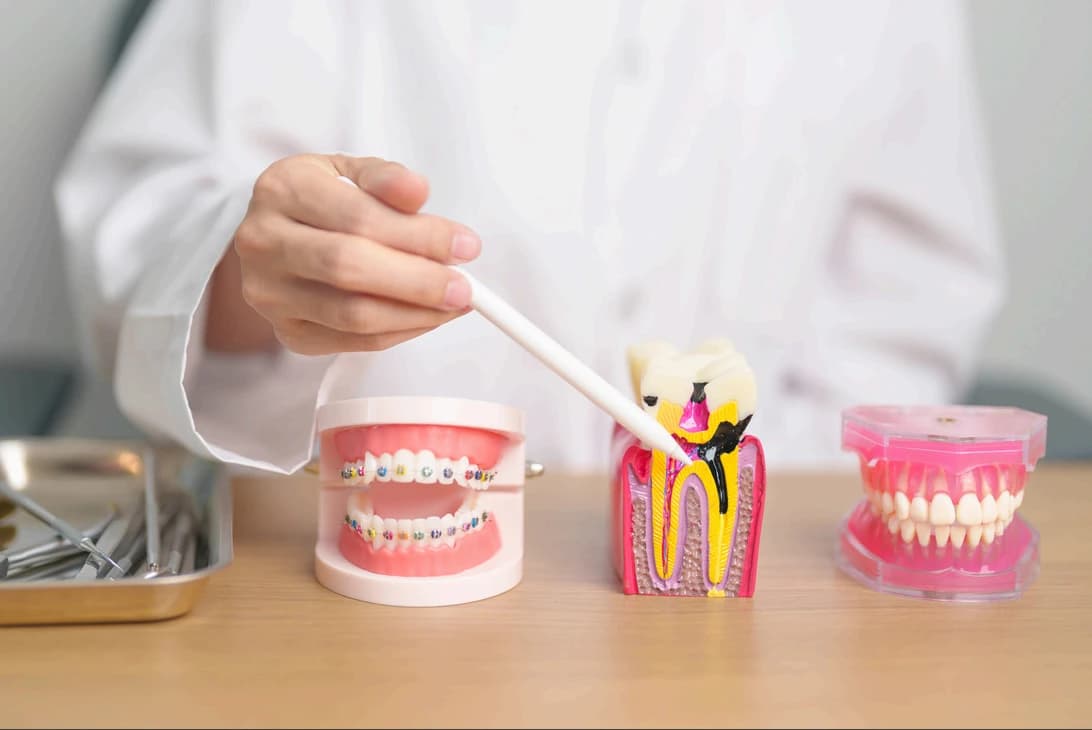
Not everyone faces the same level of risk for cavities, gum disease, and other dental problems. While good daily habits like brushing and flossing matter for everyone, certain lifestyle choices, health conditions, medications, and even genetics can significantly raise or lower a person's overall risk, meaning two people with similar brushing habits can have very different outcomes over time.
Understanding your personal risk factors is not about assigning blame, it is about giving you and our team the information needed to build a prevention and treatment plan that actually fits your situation. A patient with diabetes, for example, may need more frequent gum disease monitoring, while a patient taking a medication that causes dry mouth may need additional strategies to protect against cavities.
Some risk factors are within your control, such as diet, tobacco use, and how consistently you keep up with brushing, flossing, and checkups. Others, including genetics, certain medical conditions, and the natural effects of aging, are not something you can change, but knowing about them still helps guide how closely we monitor your oral health and what preventive steps make the most sense for you specifically.
At GN Dental, we take a personalized approach to prevention, which starts with understanding your individual risk profile rather than applying a one-size-fits-all recommendation to every patient. This page walks through the most common oral health risk factors, how they affect your teeth and gums, and how we help you manage them at our Yuba City office.
Whether you have never thought much about your personal risk factors or you are managing a known condition that affects your oral health, understanding this information can help you make more informed decisions about your dental care going forward.
Common Signs Your Risk May Be Elevated
Certain patterns and symptoms can indicate that your personal risk for dental problems is higher than average, making closer monitoring and a more tailored prevention plan especially valuable.
- Frequent cavities despite regular brushing and flossing
- Persistent dry mouth
- A family history of gum disease or early tooth loss
- Bleeding gums that seem to recur even after treatment
- A diagnosis of diabetes or another condition affecting immune response
- Regular tobacco or heavy alcohol use
- Taking multiple medications, especially those known to affect saliva
- A diet high in frequent sugar or acid exposure throughout the day
Lifestyle and Behavioral Risk Factors
Diet is one of the most significant lifestyle-related risk factors, since frequent exposure to sugar and acid throughout the day gives the bacteria in your mouth more opportunities to produce the acid that causes cavities. How often you eat matters as much as what you eat, since grazing throughout the day keeps your mouth in a more acidic state than eating the same foods in a shorter window.
Tobacco use, including smoking and smokeless tobacco, significantly increases the risk of gum disease, oral cancer, and slower healing after dental procedures. Alcohol use, particularly heavy or frequent use, is linked to a higher risk of gum disease and oral cancer as well, and can also contribute to dry mouth, which further raises cavity risk.
Inconsistent brushing and flossing remains one of the most controllable risk factors, since plaque that is not regularly removed is the direct cause of both cavities and gum disease. Similarly, skipping regular dental checkups means problems are more likely to be caught later, when they require more involved and costly treatment.
Health Conditions and Genetic Risk Factors
Several medical conditions have a well-documented connection to oral health. Diabetes, particularly when not well controlled, increases the risk and severity of gum disease, and the relationship works in both directions, since untreated gum disease can make blood sugar harder to manage. Autoimmune conditions and other illnesses that affect the immune system can also make it harder for the body to fight the bacteria that cause gum disease.
Genetics plays a real role as well, particularly in how susceptible a person's enamel is to decay, how prone they are to gum disease independent of hygiene habits, and jaw size relative to tooth size, which affects the risk of crowding and misalignment. Many patients are surprised to learn that some people are simply more genetically prone to cavities or gum disease than others, even with similar habits.
Certain medications, including many used for blood pressure, depression, allergies, and pain management, list dry mouth as a side effect. Because saliva plays such an important protective role in neutralizing acid and washing away food particles, reduced saliva flow from these medications can meaningfully increase cavity risk, which is why we ask about your current medications as part of every comprehensive exam.
Pregnancy and Hormonal Risk Factors
Hormonal changes during pregnancy can increase the risk of gum inflammation, sometimes called pregnancy gingivitis, making gum health monitoring especially important during this time. Some research has also linked untreated gum disease during pregnancy to a higher risk of certain complications, which is one reason we place extra emphasis on gum health for pregnant patients.
Hormonal fluctuations during puberty and menopause can similarly affect gum sensitivity and inflammation, sometimes making gums more prone to irritation even when plaque levels have not changed. Being aware of these hormonal risk periods helps us adjust monitoring and home care recommendations at the times when they matter most.
Access to Care as a Risk Factor
Beyond biological and lifestyle factors, access to consistent dental care is itself a significant risk factor that is often overlooked. Patients who face barriers to regular checkups, whether due to cost, insurance coverage, transportation, or simply a busy schedule, are more likely to have problems progress further before they are caught and treated.
This is part of why we accept Medi-Cal and most major insurance plans and offer flexible financing options, since consistent access to care is one of the most effective ways to lower risk regardless of which other factors apply to you. Addressing this barrier directly, rather than only focusing on individual habits, is an important part of a complete approach to oral health risk.
A Prevention Plan Built Around You
During your checkup, we take your full health history, current medications, and lifestyle habits into account, not just what we see during the exam itself. This gives us a much more complete picture of your actual risk level than an exam alone would provide.
From there, we can recommend a personalized prevention plan, whether that means more frequent cleanings, additional fluoride treatments, specific product recommendations, or simply a shorter interval between checkups so we can catch changes earlier.

How We Help Manage Your Risk Factors
Managing risk factors is not about eliminating every possible variable, which is not realistic for most patients, but about identifying which factors apply to you and adjusting your prevention and treatment plan accordingly.
Available Services at GN Dental
Comprehensive exams that take your full health history and risk factors into account.
Personalized checkup frequency based on your individual risk level, not a one-size-fits-all schedule.
Closer monitoring and treatment for patients at higher risk of gum disease due to health conditions or genetics.
Why Understanding Your Risk Factors Matters
Patients who understand their own risk factors tend to have better long-term oral health outcomes, simply because prevention can be targeted rather than generic. A patient with a family history of gum disease benefits from more frequent periodontal monitoring, while a patient with dry mouth from medication benefits from specific strategies to protect against cavities that a lower-risk patient may not need at all.
Ignoring known risk factors, on the other hand, often means problems are caught later than they could have been. A patient with diabetes who is not receiving more frequent gum disease screening, for example, may not learn about developing periodontal issues until they have progressed further than they would have if monitored more closely from the start.
There is also a cost and comfort benefit to proactive risk management. Catching problems earlier, because we already know to look more closely given your specific risk profile, generally means simpler, less expensive treatment and less discomfort than waiting for a problem to become obvious on its own.
Finally, some risk factors, particularly certain lifestyle habits, are within your control to change. Understanding that tobacco use, for example, significantly raises your risk of both gum disease and oral cancer can be a meaningful motivator for patients considering quitting, beyond the general health reasons already well known. Even small, sustainable changes, like reducing how often you snack on sugary foods throughout the day, can meaningfully shift your overall risk profile over time.
Risk Factors at Different Life Stages
Children face unique risk factors, including developing brushing skills, a diet that may be higher in sugar, and enamel that is still maturing and more vulnerable to decay in the years after teeth first erupt. This is part of why sealants and fluoride treatments are so commonly recommended for children specifically.
Adults often face risk factors related to accumulated wear, existing dental work reaching the end of its lifespan, and lifestyle factors like diet, stress, and medication use that tend to increase with age. Older adults face additional risk from dry mouth, which becomes more common due to both medications and natural aging, as well as gum recession that exposes root surfaces to decay for the first time in their lives.
Because risk factors shift throughout life, we reassess your individual profile at each checkup rather than relying on an assumption made years earlier that may no longer reflect your current health and habits.
Prevention Tips
While not every risk factor can be eliminated, the following habits meaningfully reduce risk for most patients, regardless of their individual profile.
Everyday Habits That Help
- Brush twice daily and floss once a day, without exception
- Limit frequent sugar and acid exposure throughout the day
- Avoid tobacco products and limit alcohol use
- Stay hydrated and discuss dry mouth with our team if it affects you
- Share your full medication list and health history at every checkup
- Keep up with checkups at the frequency we recommend for your specific risk level
Oral Health Risk Factor Questions
GN Dental / Yuba City
Understand Your Personal Risk Factors
Schedule a comprehensive exam with GN Dental in Yuba City to build a prevention plan tailored to you.
Related Services
Community-focused general dentistry led by Dr. Jaspreet Singh Dhami, accepting Medi-Cal and most major insurance plans.
Routine exams and cleanings that catch problems early, protect your smile, and keep small issues from becoming costly ones.

From early gingivitis to advanced periodontitis, we diagnose and treat gum disease to protect your teeth and gums for the long term.