
Conditions We Treat
Missing Teeth
Why missing teeth matter for more than appearance, and the replacement options GN Dental offers to restore your smile.

Missing teeth are far more common than many people realize, and they can happen at any age, whether from decay, gum disease, injury, or a tooth that could not be saved after an infection. Some patients are missing a single tooth, while others are missing several teeth in different areas of the mouth, or have lost all of their teeth in one or both arches over time.
Whatever the cause, a missing tooth is rarely just a cosmetic issue. Teeth work together as a system, supporting your bite, your ability to chew certain foods, and even the shape of your face and jawbone. When a tooth is lost and not replaced, the surrounding teeth can shift out of position, your bite can gradually change, and the jawbone beneath the missing tooth begins to lose density over time, since it is no longer being stimulated by the root of a natural tooth.
Replacing a missing tooth is not simply about restoring your smile, though that matters too. It is about protecting the function of your bite, preventing your remaining teeth from shifting, and preserving the health of your jawbone for the long term. The right replacement option depends on how many teeth are missing, where they are located, and the health of your jawbone and gums.
At GN Dental, we offer a full range of tooth replacement options, from a single dental implant to a complete set of dentures, and we help you understand which choice best fits your needs, timeline, and budget. Many patients are surprised to learn just how many options exist once they explore replacing a missing tooth rather than living with the gap.
This page explains why missing teeth matter, what causes tooth loss, and the treatment options available at our Yuba City office to help you find the right long-term solution, whether you are missing one tooth or several.
Common Symptoms and Effects
A missing tooth is usually obvious, but the effects of leaving it unreplaced often develop more gradually. These are some of the changes patients commonly notice over time, sometimes months or years after the tooth was first lost.
- A visible gap where a tooth used to be
- Difficulty chewing certain foods on one side of the mouth
- Neighboring teeth gradually shifting or tilting into the empty space
- A changed bite or new discomfort in the jaw
- A sunken appearance in the cheek or lip near the missing tooth over time
- Increased wear on the teeth that are compensating for the missing one
- Self-consciousness about smiling or speaking
- Difficulty pronouncing certain words if the missing tooth is toward the front
What Happens to the Jawbone After Tooth Loss
The bone in your jaw stays strong and dense because the roots of your teeth stimulate it every time you bite and chew. When a tooth is lost, that stimulation stops in that specific area, and the jawbone gradually begins to shrink, a process that continues for years if the tooth is not replaced.
This bone loss is why patients who wait a long time to replace a missing tooth sometimes need a bone graft before they can get a dental implant, since there may not be enough bone volume left to support one. Bone loss can also change the shape of your face over time, particularly when several teeth are missing, contributing to a sunken appearance around the mouth and jaw that many people associate with aging but is actually related to tooth loss.
The rate of bone loss varies from patient to patient, but studies generally show the most significant loss happens within the first year after a tooth is extracted or lost, then continues more gradually after that. This is one of the main reasons we encourage patients to explore replacement options soon after losing a tooth rather than waiting, since earlier treatment generally means simpler treatment with fewer additional steps like bone grafting.
Comparing Your Replacement Options
Dental implants are generally considered the gold standard for tooth replacement, since they replace the tooth root along with the visible tooth, which helps preserve jawbone density in a way that bridges and dentures cannot. Implants are placed surgically and require several months for healing before the final restoration is attached. Many implants can function for decades with appropriate care, although longevity varies by patient.
Bridges replace one or more missing teeth by anchoring an artificial tooth to crowns placed on the healthy teeth next to the gap. This is a well-established, effective option, particularly when the adjacent teeth already need crowns for other reasons, though it does require reshaping those healthy teeth to support the bridge.
Dentures, whether full or partial, are removable appliances that can replace anywhere from a few teeth to an entire arch. They tend to be the most affordable option upfront and do not require surgery, though they require more daily maintenance and, without implant support, do not slow jawbone loss the way an implant does. Many patients choose dentures as a starting point and later add implant support for extra stability.
Causes and Risk Factors
Teeth are lost for a variety of reasons, and understanding the cause is part of planning the right replacement and preventing further loss going forward. In many cases, more than one factor contributes, which is why we look at your full dental history rather than assuming a single cause.
- Untreated tooth decay that progresses beyond what a filling or crown can repair
- Advanced gum disease that destroys the bone and tissue supporting a tooth
- Trauma or injury, such as a sports accident or fall
- A tooth that fractures beyond repair
- Failed root canal treatment with no remaining option to save the tooth
- Smoking, which increases the risk of both gum disease and implant complications
- Age, since the combined risk of decay and gum disease increases over a lifetime
- Certain medical conditions and medications that affect bone and gum health
Finding the Right Replacement for Your Situation
There is no single best tooth replacement option for every patient. A single missing tooth, several missing teeth, and a fully edentulous arch each call for a different approach, and the health of your jawbone and gums also plays a role in what is possible.
During a consultation, we evaluate your remaining teeth, gum health, and bone volume with an exam and X-rays, then walk through the realistic options for your specific case, including the pros, cons, and cost of each.
How We Replace Missing Teeth
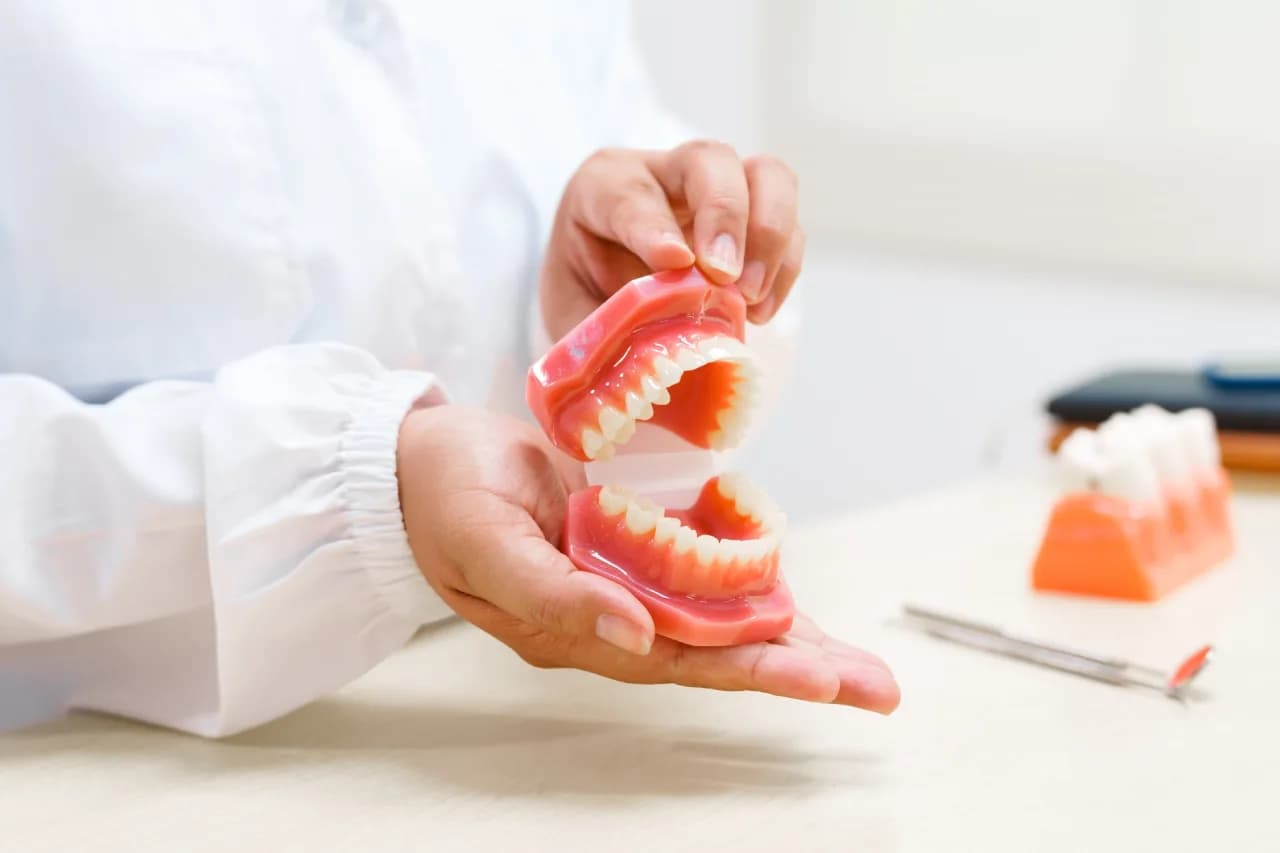
Depending on how many teeth are missing and your overall oral health, we may recommend a dental implant, a bridge, or a denture. Each option restores function and appearance, with different trade-offs in cost, timeline, and long-term durability, and we are always upfront about those trade-offs so you can choose with confidence.
Available Treatments at GN Dental
A titanium post replaces the tooth root, supporting a natural-looking crown, bridge, or denture for a permanent solution.
Custom full or partial dentures replace some or all of your teeth with a removable, comfortable appliance.
A bridge anchors a replacement tooth to the healthy teeth on either side of the gap.
Why Early Treatment Matters
The longer a missing tooth goes unreplaced, the more your remaining teeth and jawbone are affected. Neighboring teeth gradually drift into the open space, which can create new bite problems and make those teeth harder to clean effectively, increasing the risk of decay and gum disease in teeth that were previously healthy.
Jawbone loss is also a factor that gets harder to address over time. A patient who replaces a missing tooth soon after losing it typically has enough bone to support a dental implant without additional treatment. Someone who waits several years may need a bone graft first, adding time and cost to the process that would not have been necessary with earlier treatment.
There are also broader health and confidence effects to consider. Missing teeth can make chewing certain foods difficult, which sometimes leads people to avoid nutritious foods that are harder to eat. Many patients also feel less confident smiling or speaking in public with a visible gap, which can affect both personal and professional confidence over time.
Replacing a missing tooth sooner rather than later generally means more options, simpler treatment, and a better long-term outcome for both your bite and your jawbone. Patients who address a missing tooth quickly are also less likely to need additional procedures, like orthodontic treatment to correct shifted teeth or bone grafting to rebuild lost jawbone, both of which add time and cost to what could have been a more straightforward replacement.
Cost and Insurance
Tooth replacement cost varies significantly depending on which option you choose and how many teeth are involved. Dentures are generally the most affordable upfront option, bridges fall in the middle, and implants typically cost more initially but often prove more cost-effective over time given their durability and the fact that they do not require the periodic replacement or relining that dentures often need.
Dental insurance coverage for tooth replacement varies by plan and by procedure, with some plans covering a portion of bridges or dentures more readily than implants. We verify your specific benefits before recommending a treatment plan and offer financing options to help make whichever option you choose more manageable.
Prevention Tips
While not every case of tooth loss can be prevented, many can, especially when the underlying cause is decay or gum disease.
Everyday Habits That Help
- Treat cavities and gum disease early, before they threaten a tooth
- Wear a mouthguard during sports or contact activities
- Keep up with checkups every six months to catch problems while they are still treatable
- Avoid chewing on ice or other hard objects that can fracture teeth
- Do not delay treatment for a cracked or damaged tooth
- Ask about replacement options as soon as a tooth is lost, rather than waiting
Missing Teeth Questions
GN Dental / Yuba City
Ready to Replace a Missing Tooth
Schedule a consultation with GN Dental in Yuba City to explore your tooth replacement options.
Related Services
Permanent, natural-looking tooth replacement using precision-guided implants, from a single tooth to a full arch.
Permanent, natural-looking tooth replacement performed right here in Yuba City, with Medi-Cal accepted, flexible financing, and a clear written estimate before you commit.
Custom-fitted full and partial dentures designed to restore your bite, your speech, and your confidence.
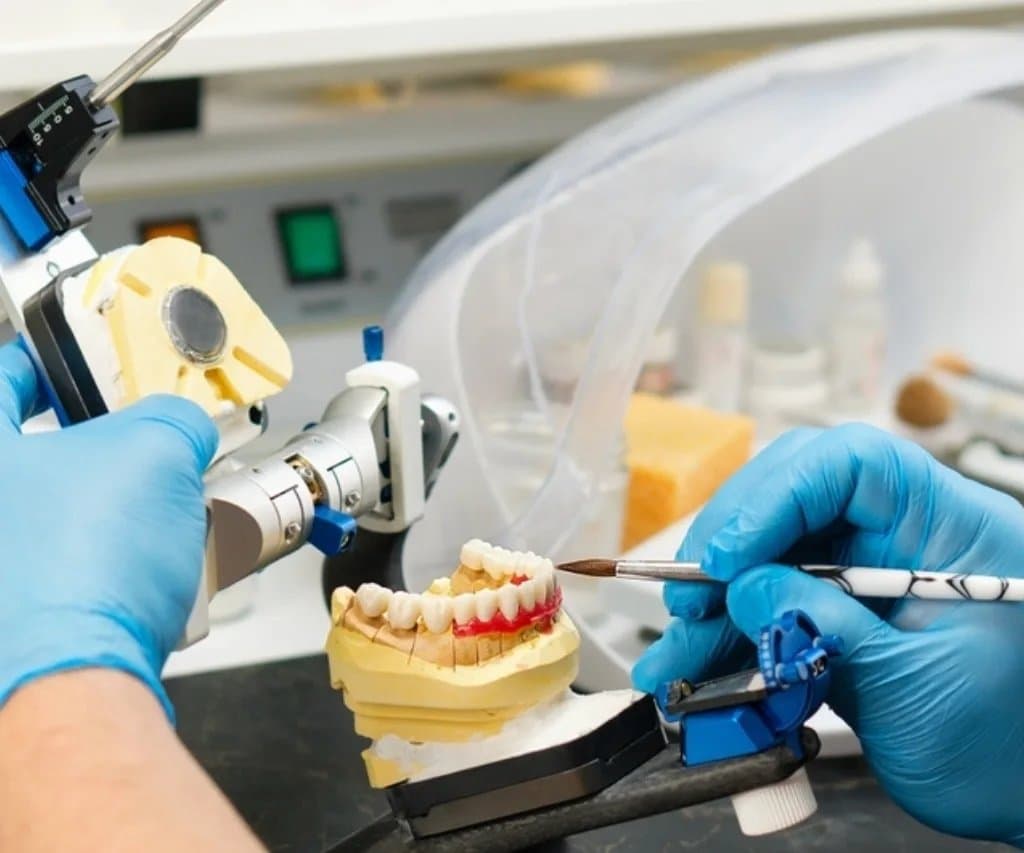
Durable, natural-looking crowns and bridges that restore damaged or missing teeth, including same-day options.