
Conditions We Treat
Crooked or Misaligned Teeth
What causes crooked or misaligned teeth, why it matters beyond appearance, and how GN Dental helps straighten your smile.
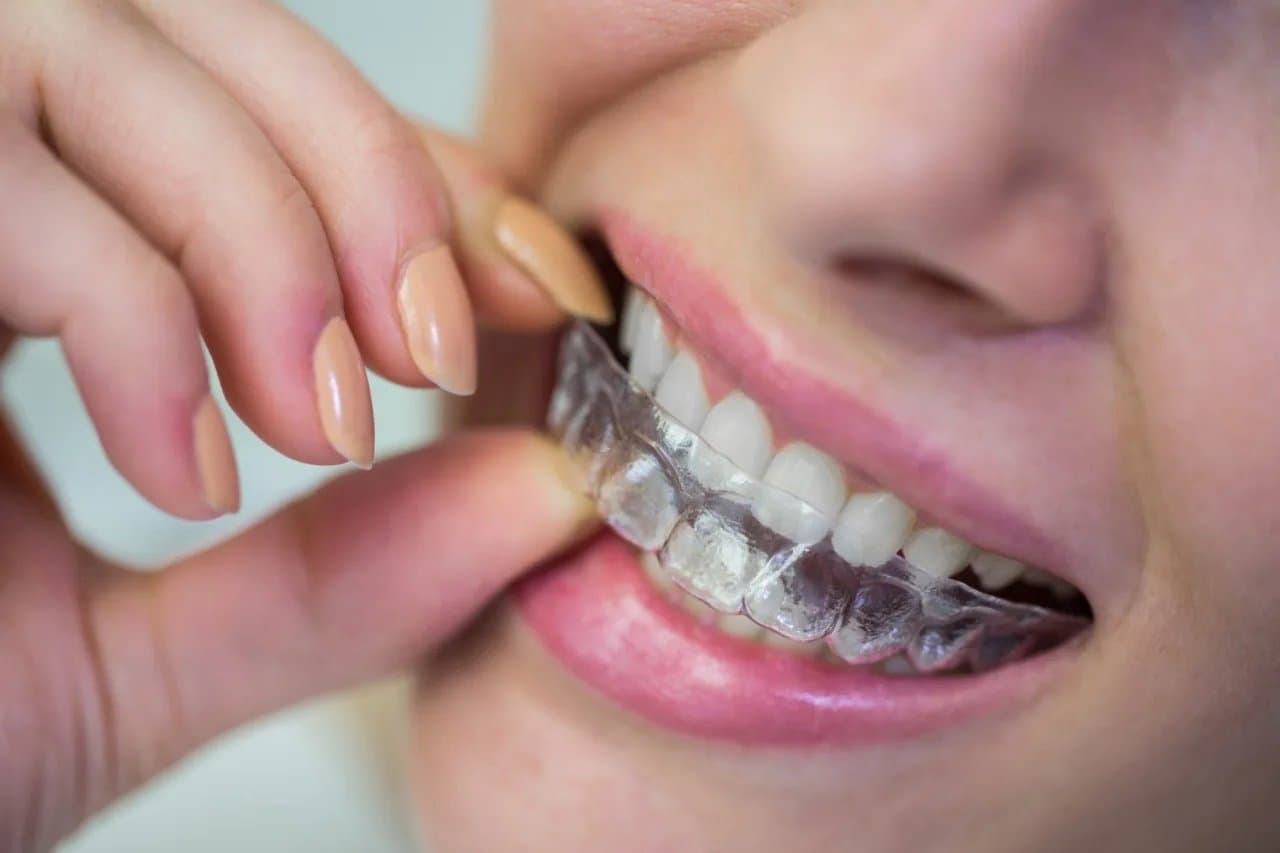
Crooked or misaligned teeth are extremely common, affecting a large share of both children and adults to some degree. Misalignment can show up in many forms, including crowding, where there is not enough room in the jaw for all of your teeth to sit straight, gaps between teeth, an overbite or underbite where the upper and lower jaw do not line up evenly, or a crossbite where some upper teeth sit behind the lower teeth instead of in front of them.
While crooked teeth are often thought of as a cosmetic concern, misalignment can also affect how well your teeth function together. A bite that is significantly off can make chewing less efficient, put uneven pressure on certain teeth, and in some cases contribute to jaw discomfort or abnormal wear on the teeth that bear more force than they were designed to handle.
Misalignment can also make teeth harder to clean effectively. Crowded or overlapping teeth create tight spots that are difficult to reach with a toothbrush or floss, which can increase the risk of cavities and gum disease in those specific areas over time, even in patients who are otherwise diligent about their oral hygiene.
The good news is that crooked and misaligned teeth are very treatable at nearly any age. Advances in orthodontic treatment, including clear aligner systems like Invisalign, have made straightening teeth more discreet and often more comfortable than traditional metal braces, without sacrificing effectiveness for most cases.
This page explains the common causes of crooked and misaligned teeth, why treating it matters for more than appearance, and the options GN Dental offers to help straighten your smile at our Yuba City office.
Common Signs of Misalignment
Misalignment is not always obvious just by looking at your front teeth. These are some of the signs that indicate a bite or alignment issue worth evaluating.
- Crowded, overlapping, or rotated teeth
- Visible gaps or spacing between teeth
- Upper front teeth that sit noticeably in front of or behind the lower teeth
- Difficulty biting or chewing certain foods comfortably
- Teeth that do not meet evenly when your jaw is closed
- Jaw discomfort, clicking, or fatigue, especially after eating
- Uneven or excessive wear on certain teeth
- Speech that is affected by tooth position, such as a lisp
Types of Misalignment
Crowding happens when the jaw does not have enough space for all of the teeth to fit in proper alignment, causing them to overlap, rotate, or push out of the normal arch. This is one of the most common forms of misalignment and can range from mild to severe.
Spacing issues, the opposite of crowding, occur when there is extra room between teeth, which can result from missing teeth, undersized teeth, or a jaw that is larger than the teeth require. An overbite describes upper front teeth that extend too far over the lower teeth, while an underbite describes the lower teeth extending in front of the upper teeth. A crossbite happens when some upper teeth sit inside the lower teeth rather than outside them, which can affect either a single tooth or several teeth at once.
Each of these patterns can occur on its own or in combination, and the right treatment depends on which specific issue or combination of issues is present in your bite.
Causes and Risk Factors
Tooth alignment is influenced by a combination of genetics and habits, and in many cases, the exact cause is a mix of both rather than a single factor.
Genetics plays a significant role in the size of your jaw relative to the size of your teeth, which is largely inherited from your parents. Certain childhood habits can also influence how teeth and jaws develop over time, which is part of why early orthodontic screening is valuable even before all of a child's adult teeth have come in.
- Genetics and inherited jaw or tooth size
- Prolonged thumb-sucking or pacifier use in early childhood
- Early loss of baby teeth, which can affect how adult teeth come in
- Missing teeth that allow neighboring teeth to shift into the gap
- Mouth breathing or tongue posture habits
- Injury to the jaw or teeth
- Poorly fitted dental work that affects bite alignment
- Natural shifting of teeth that can occur gradually with age
What to Expect During Orthodontic Treatment
Treatment typically begins with a consultation, where we evaluate your bite, take photographs and impressions or digital scans, and discuss your goals. For Invisalign, this includes 3D imaging that maps out your entire treatment in advance, so you can see a projected preview of your results before committing to treatment.
Once treatment begins, most patients switch to a new set of aligners every one to two weeks, with progress checked at regular appointments every six to eight weeks. Minor discomfort or pressure after each new aligner is normal and typically fades within a day or two, as this is simply a sign that your teeth are moving as planned.
After active treatment is complete, a retainer phase follows to keep your teeth from drifting back toward their original position. This is a lifelong commitment for most patients, at least on a part-time basis, since teeth can shift at any age without some form of ongoing retention.
Beyond Appearance: Function and Confidence
While many patients pursue orthodontic treatment for cosmetic reasons, the functional benefits are just as significant. A properly aligned bite distributes chewing forces evenly across your teeth, rather than concentrating pressure on a few teeth that are out of position, which helps protect your enamel and reduces the risk of chips, cracks, and excessive wear over time.
There is also a confidence factor that should not be underestimated. Patients who complete orthodontic treatment frequently report feeling more comfortable smiling in photos, speaking in professional settings, and generally engaging socially without the self-consciousness that crowded or gapped teeth can cause. This kind of confidence boost is a real, valid reason to pursue treatment on its own, separate from any functional benefit.
Straightening Teeth at Any Age
Many adults assume orthodontic treatment is only for teenagers, but a significant share of orthodontic patients today are adults choosing to finally address alignment issues they have lived with for years. Clear aligner systems like Invisalign have made this especially appealing, since they are far less noticeable than traditional braces.
Whether you are considering treatment for yourself or evaluating a child's bite for the first time, an evaluation is the best way to understand the specific type and severity of misalignment involved and the realistic treatment timeline.

How We Treat Misalignment
Treatment depends on the type and severity of misalignment, your age, and your goals. For many mild to moderate cases, clear aligners offer an effective, discreet solution, while more complex bite issues may call for a referral to an orthodontist.
Available Treatments at GN Dental
Custom clear aligners gradually straighten crowding, gaps, and many bite issues without metal brackets or wires.
For cosmetic concerns related to alignment, veneers or bonding can be combined with orthodontic treatment for a complete result.
Early bite evaluation lets us catch alignment issues while a child's jaw is still developing.
Why Early Treatment Matters
Misalignment tends to become more noticeable and sometimes more complex over time, particularly when crowding worsens as teeth continue to shift or when uneven wear from a bad bite starts to damage tooth enamel. Addressing alignment issues earlier generally means a shorter, simpler treatment process compared to waiting until the misalignment has become more severe.
Crowded or overlapping teeth are also harder to keep clean, which raises the risk of cavities and gum disease developing specifically in those tight spots. Straightening your teeth does not just improve appearance, it makes your daily oral hygiene routine more effective at actually protecting your teeth and gums.
For children, early evaluation around age seven allows us to catch developing bite issues while the jaw is still growing, sometimes allowing for simpler, shorter treatment later or, in some cases, avoiding the need for more extensive treatment altogether. Not every child needs early intervention, but screening early means we can make that call with good information rather than waiting until options become more limited.
Left untreated indefinitely, significant bite problems can also contribute to jaw discomfort and uneven tooth wear that becomes more difficult and costly to address the longer it continues. In some cases, a bite that has been left uncorrected for years can require a more involved combination of treatments, including restorative work to repair worn teeth, whereas earlier treatment may have avoided that additional restorative need altogether.
Cost and Insurance
Cost for straightening teeth depends on the complexity of your case and the length of treatment required. Some dental insurance plans include an orthodontic benefit that can be applied toward Invisalign or other treatment, though this varies significantly by plan. We review your specific benefits and provide a clear estimate during your consultation, along with financing options to help spread out the cost.
Signs Your Child May Need an Orthodontic Evaluation
- Baby teeth are lost very early or very late compared to peers
- Difficulty chewing or biting
- Teeth that do not meet at all when the mouth is closed
- Jaws that shift or make sounds when opening or closing
- Thumb-sucking that continues past age three
- Crowded, misplaced, or blocked-out teeth as adult teeth erupt
Prevention Tips
While genetics play a large role in alignment, a few habits can reduce the chance of certain alignment issues developing or worsening.
Everyday Habits That Help
- Address thumb-sucking or pacifier habits before permanent teeth come in
- Replace a missing tooth promptly to prevent neighboring teeth from shifting
- Bring children in for an orthodontic screening around age seven
- Wear a retainer as recommended after any orthodontic treatment
- Treat mouth breathing or airway issues that can affect jaw development
- Keep up with regular checkups to monitor changes in your bite over time
Crooked and Misaligned Teeth Questions
GN Dental / Yuba City
Ready to Straighten Your Smile
Schedule a consultation with GN Dental in Yuba City to talk through your options for straighter teeth.
Related Services
Straighten your teeth discreetly with custom clear aligners, no metal brackets or wires required.

A personalized combination of treatments, planned around your goals, to transform your smile with predictable, natural-looking results.
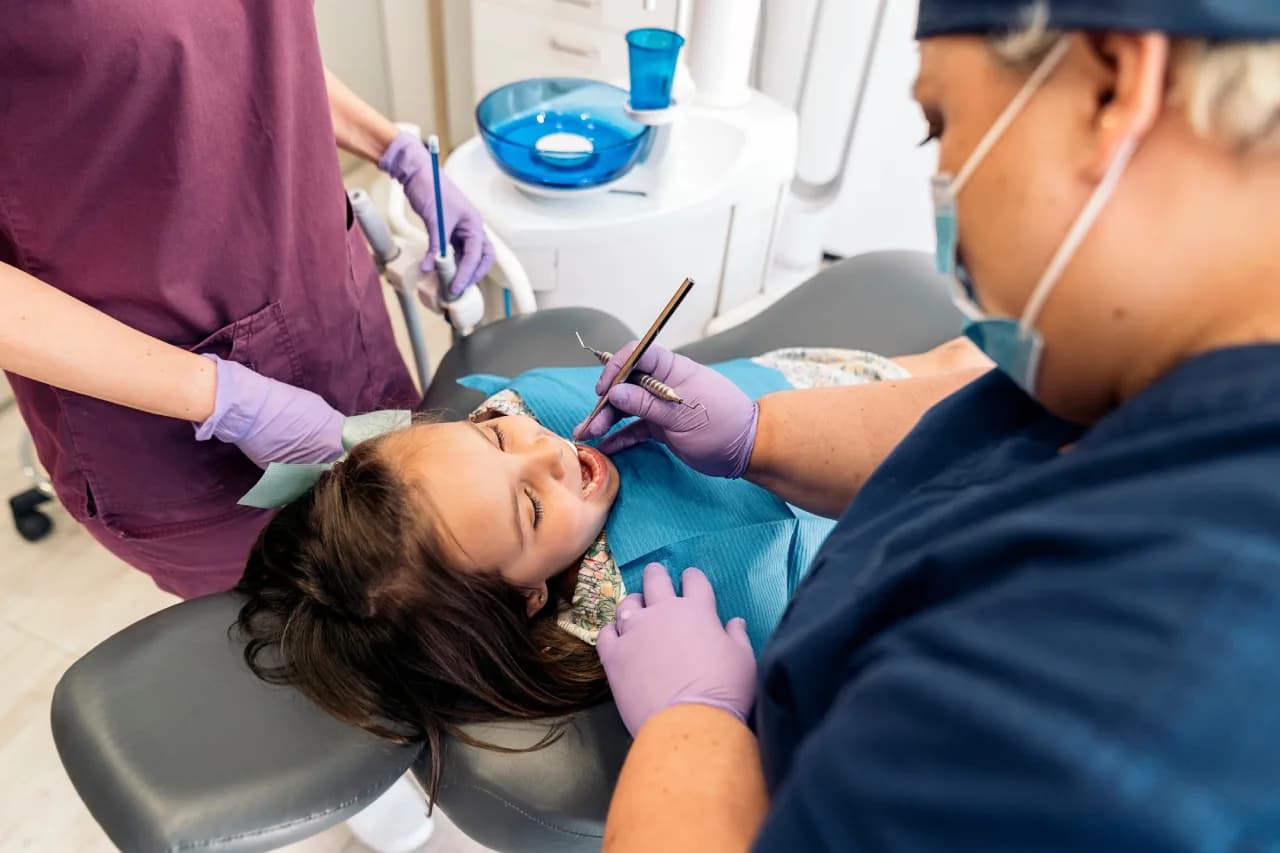
Gentle, kid-friendly dental care in Yuba City, built around making every visit positive from a child's very first checkup.